CA FAIR Plan's 29.1% Rate Hike Follows State Farm Increase
CA's FAIR Plan will raise rates 29.1% on Oct 15, 2026. This follows a 17% State Farm increase, pushing homeownership costs higher for South Bay & Westside buyers.
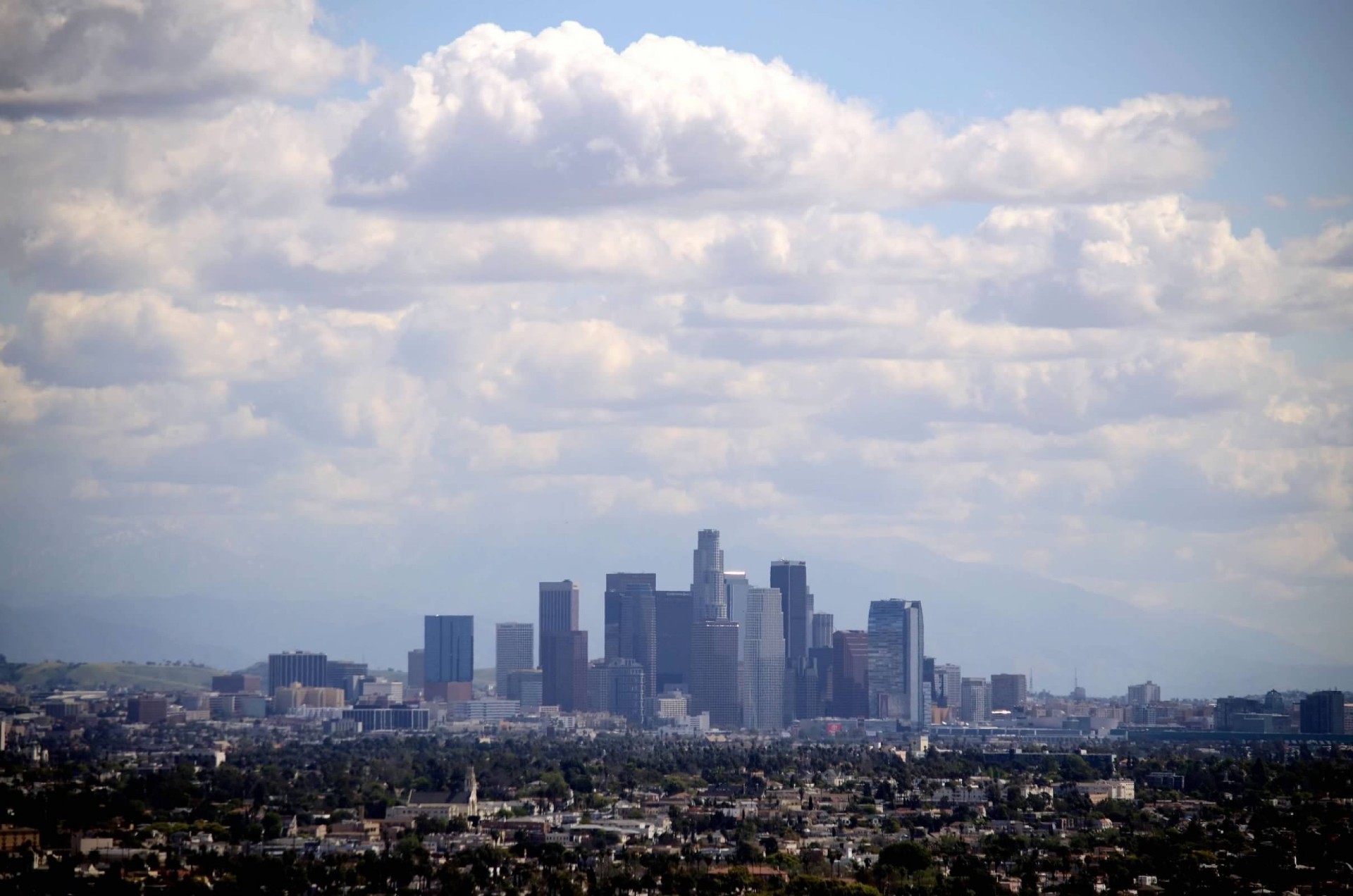
What happened: California's FAIR Plan will increase its average dwelling fire insurance rates by 29.1% for all new and renewal policies effective on or after October 15, 2026. This major rate hike, approved by the Department of Insurance, follows a 17% average homeowners rate increase for State Farm, which was finalized in a July 2026 settlement.
On August 28, 2026, California homeowners and real estate agents are facing the hard reality of layered insurance rate hikes that will increase carrying costs across the state. The combination of a massive rate increase from the state's insurer of last resort and a significant hike from one of its largest admitted carriers signals sustained upward pressure on the cost of homeownership, particularly in Los Angeles.
What changed?
Two separate but compounding rate increases have been approved by the California Department of Insurance (CDI).
First, the California FAIR Plan, the state-mandated insurer for properties unable to find coverage in the standard market, received approval for a 29.1% statewide average rate increase for its dwelling fire program. The FAIR Plan had originally requested a 35.8% hike, but the CDI reduced it. This is the largest increase for the FAIR Plan in recent history, affecting its more than 675,000 policyholders.
Second, State Farm finalized a settlement that includes an average 17% rate increase for its homeowners policies. This figure was confirmed in a three-party settlement on July 23, 2026, which resolved a broader rate proceeding where the insurer had initially proposed increases of up to 52% across different policy types. The settlement locks in the 17% homeowners increase as the final rate level.
When does it take effect?
The increases are rolling out on separate timelines, but their combined impact will be felt by the end of the year. Lenders and escrow officers must account for these dates on any transaction involving these insurance products.
| Date | What happens | Who it affects |
|---|---|---|
| July 23, 2026 | State Farm rate settlement becomes final, locking in the 17% homeowners increase. | California homeowners with State Farm policies. |
| Oct. 15, 2026 | FAIR Plan's 29.1% average rate increase takes effect. | New and renewing FAIR Plan dwelling policyholders statewide. |
What this means in the South Bay and on the Westside
For real estate agents and homeowners in our core markets, these rate hikes have direct, material consequences.
In the South Bay, especially in hillside communities like Palos Verdes Estates, Rancho Palos Verdes, and Rolling Hills, many properties rely on the FAIR Plan for fire coverage due to high wildfire risk. For these homeowners, the 29.1% increase is a direct hit to their annual budget. Some properties in higher-risk zones may see increases even greater than the average.
On the Westside, neighborhoods near canyons or bluffs, such as parts of Santa Monica and Westchester, also face increased fire risk and potential reliance on the FAIR Plan. For everyone else, from the flatlands of Culver City to the beach lots of Manhattan Beach, the State Farm 17% increase reflects a higher baseline cost even for standard, lower-risk properties. Investment property owners will see their net operating income and cap rates shrink as insurance expenses rise.
The most immediate impact we see is on a buyer's debt-to-income (DTI) ratio. A lender pre-approves a buyer using an estimated insurance cost. When the final, bindable quote comes in 30% higher than expected, it can disqualify the buyer or force them to restructure their financing. This is happening right now on active files.
For transactions scheduled to close on or after October 15, 2026, lenders must underwrite the loan using the new, higher FAIR Plan premium. This can jeopardize rate locks and loan approvals if not caught early.
What agents and homeowners should do now
Proactive management is the only way to prevent insurance costs from derailing a transaction.
- Review current policies immediately. Homeowners should check their renewal date and current premium to budget for the increase. If your renewal is after October 15, expect the higher rate.
- Get firm insurance quotes early. Buyers, especially those looking in hillside areas, must get a bindable insurance quote before making an offer, not during escrow. This sets a realistic budget from day one.
- Stress-test the DTI. Agents should work with the buyer's lender to re-run qualification numbers using a higher, more conservative insurance premium estimate. This avoids last-minute surprises.
- Coordinate closing dates and policy effective dates. If a closing is delayed past October 15, a FAIR Plan policy quoted at the old rate will need to be re-issued at the new, higher rate. We work with escrow to monitor these dates closely.
- Investigate mitigation discounts. Ask your insurance broker what specific fire-hardening measures (e.g., defensible space, ember-resistant vents) could help lower your premium. While not a cure-all, it can make a difference.
Open questions
While the rate hikes are confirmed, several things remain uncertain.
- Will the FAIR Plan file for another increase soon? With its total insured value approaching $768 billion, its financial stability under growing climate risk is a major concern.
- What is the exact increase for my home? The 29.1% figure is a statewide average. Rates for specific properties in high-risk zones like Palos Verdes could be substantially higher, while lower-risk areas may be less.
- Will other major carriers file for large increases? The State Farm settlement may set a precedent, and other admitted carriers could follow with their own rate filings.
- When will the CDI post the full rate filing documents? While the decisions are public, the detailed regulatory filings behind them are not yet easily accessible, making it harder to analyze the methodology.
Sources
We base our analysis on official regulatory announcements and industry reporting.
- California Department of Insurance News Release 026-2026, which references the State Farm rate proceeding and settlement.
- California Political Review analysis of the layered rate increases.
FAQ
How much is the FAIR Plan rate increase?
The California FAIR Plan is increasing its average dwelling fire policy rates by 29.1%. This applies to all new and renewal policies with an effective date on or after October 15, 2026.
Is the State Farm 17% rate increase definite?
Yes, the 17% average homeowners rate increase for State Farm policyholders is final. It was locked in as part of a formal settlement agreement approved by the California Department of Insurance on July 23, 2026.
Does this affect my home in Playa Vista or Culver City?
Yes, it likely does. Even if your property has a low fire risk and does not require a FAIR Plan policy, your standard homeowners insurance premium is still subject to market-wide increases. If you are insured by State Farm, for instance, you are affected by their 17% average rate hike.
Will this make it harder to get a home loan?
For some buyers, yes. Lenders use a formula that includes the estimated annual insurance premium to calculate your DTI ratio. A sudden, significant increase in that premium can push your DTI above the lender's limit, potentially jeopardizing your loan approval.
These insurance market shifts create uncertainty in real estate transactions. If you have an escrow open or are preparing to transact in the South Bay or Westside, it is critical to get expert guidance. Contact us—Matt Goeglein and Xavier de la Piedra IV—at Fidelity National Title to review your specific file and ensure insurance issues don't delay or derail your closing.
Need title work for a deal in one of these markets? Tap an area page for ZIP codes, FAQs, and a direct line.
Call your title team.
We answer the phone — South Bay and Westside LA, every day.